 RDX Trained
Victoria Hatton
Licensed Psychologist
21 licensed clinicians · Orem & Murray · statewide telehealth
Field-tested over a decade of clinical practice · Taught standing up, on a mat · 21 licensed clinicians at Connections, all trained in RDX · Orem, Murray, and statewide telehealth · No software to download
RDX TrainedVictoria Hatton
Licensed Psychologist
 RDX Trained
Moni Tuiloma
Clinical Psychologist Intern
 RDX Trained
Chris Adams
LMFT, CSAT, RDX-S
 RDX Trained
Jennifer Young
LCSW
 RDX Trained
Drew Vernick
LCSW
 RDX Trained
Conner Dunn
AMFT, Child Therapist
 RDX Trained
Hugh Pinnock
LMFT
 RDX Trained
Nikki Christensen
AMFT
 RDX Trained
Becky Hinchcliff
CSW
 RDX Trained
Danielle Mansfield
MFT Intern
 RDX Trained
Lauren Heywood
MFT Intern
RDX TrainedVictoria Hatton
Licensed Psychologist
RDX TrainedMoni Tuiloma
Clinical Psychologist Intern
RDX TrainedChris Adams
LMFT, CSAT, RDX-S
RDX TrainedJennifer Young
LCSW
RDX TrainedDrew Vernick
LCSW
RDX TrainedConner Dunn
AMFT, Child Therapist
RDX TrainedHugh Pinnock
LMFT
RDX TrainedNikki Christensen
AMFT
RDX TrainedBecky Hinchcliff
CSW
RDX TrainedDanielle Mansfield
MFT Intern
RDX TrainedLauren Heywood
MFT Intern
 RDX Trained
Jackie Johnson
AMFT
 RDX Trained
Audrey Delatorre
MFT Intern
 RDX Trained
Tegan Binford
CMHC-Intern
 RDX Trained
Kyle M. Reid
LMFT, CSAT-S, CPTT
 RDX Trained
Alex Pratt
LMFT, CSAT
 RDX Trained
Lyndee Ledesma
MFT Intern
 RDX Trained
Jennifer Atkinson
LMFT, CPTT
 RDX Trained
Christopher Pierce
CMHC, NCC
 RDX Trained
Chris De la Vega
AMFT
 RDX Trained
Christopher Knox
CMHC
 RDX Trained
Katherine Garcia
CMHC, NCC, BSP
RDX TrainedJackie Johnson
AMFT
RDX TrainedAudrey Delatorre
MFT Intern
RDX TrainedTegan Binford
CMHC-Intern
RDX TrainedKyle M. Reid
LMFT, CSAT-S, CPTT
RDX TrainedAlex Pratt
LMFT, CSAT
RDX TrainedLyndee Ledesma
MFT Intern
RDX TrainedJennifer Atkinson
LMFT, CPTT
RDX TrainedChristopher Pierce
CMHC, NCC
RDX TrainedChris De la Vega
AMFT
RDX TrainedChristopher Knox
CMHC
RDX TrainedKatherine Garcia
CMHC, NCC, BSP
Field-tested
A decade of practice
Licensed bench
21 clinicians trained in RDX
10 years of work. 3 clinics, and coming near you.
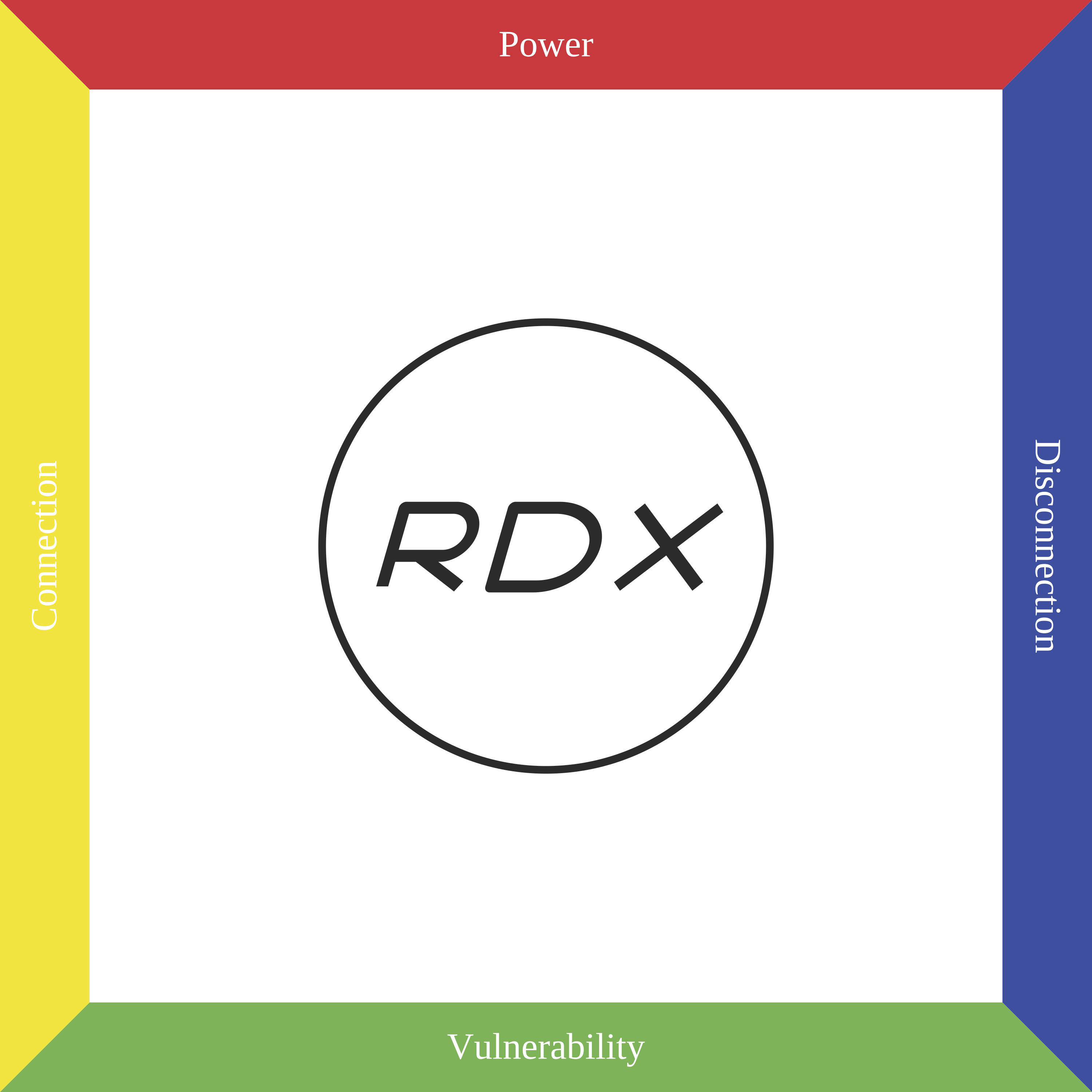
The mat
Only balance
The whole model fits on a mat. Power at the top. Vulnerability at the bottom. Connection and Disconnection on the sides. A circle near the center is Dynamic Intimacy.
The four corners are Dramatic Disconnects. They present as bullying, defiance, neediness, and shutdown. Those are positions, never people. No good, no bad. Only balance.
Two scales. Four corners. One center.
Connection is healthy when it is available on demand, like plugging in an appliance. Vulnerability is standing beside the waterfall, not under it. Power is chosen and situational, not taken and constant. Disconnection is a safety tool. Touch a hot stove and it is instant and correct.
Anywhere you have a relationship, that relationship can be made better if you understand the system you’re in. RDX turns that understanding into a repeatable practice — not a one-time training event.
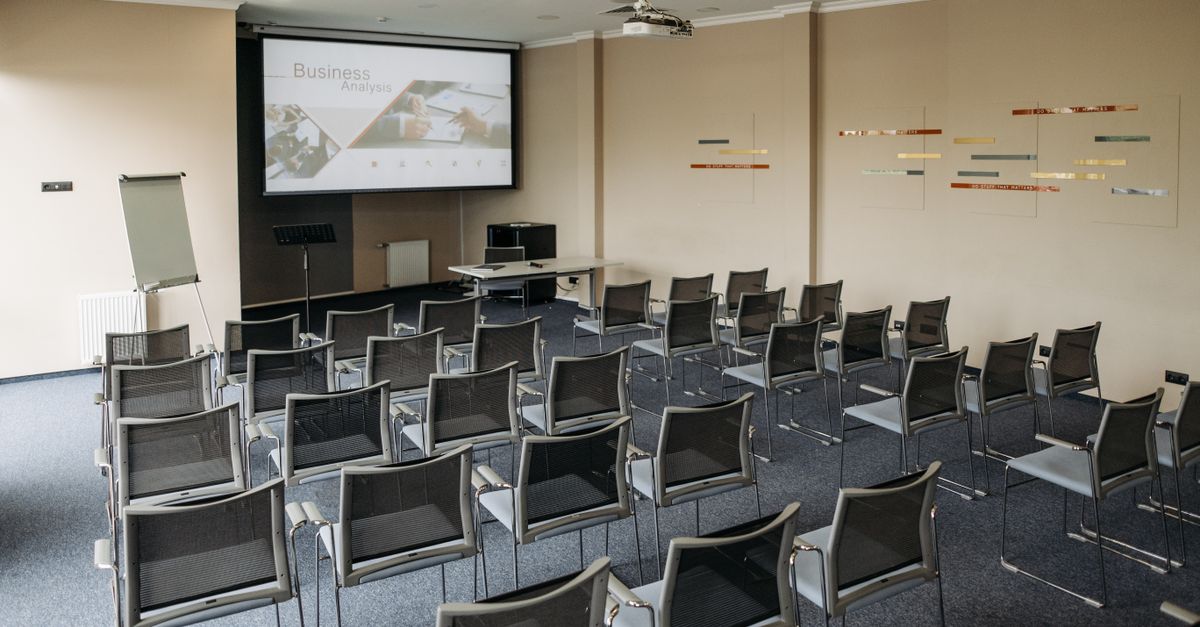



RDX is taught spatially. People stand on the mat and move. It works for people who will never sit on a couch. It also gives couples and families who have already tried talking a way to show their system what they feel instead of telling it again.

There’s no software to download. We teach your people, and we leave you with the tools to keep it going.
See the offersThe four corners of the mat are Dramatic Disconnects. Anyone can visit a corner. Trouble starts when a corner hardens into a role.
Bullying
A position of power and connection. Not a person.
Defiance
A position of power and disconnection. Not a person.
Neediness
A position of vulnerability and connection. Not a person.
Shutdown
A position of vulnerability and disconnection. Not a person.
Anyone who is not a licensed clinician learns a bounded role. When a position is fixed — someone cannot move away from vulnerability, into power, or toward connection — that usually points to something deeper. Connections’ RDX-trained, trauma-informed clinicians take it from there.
We’ve seen it work over and over. A Q4 micro-purchase is how most organizations try it before they sign up for a pilot.

Fluidity is the key to a good relationship — both people being fluid and working together to meet each other’s needs.
Lecture attendee
A big takeaway was how effective communication depends on truly understanding the other person, not just waiting to respond.
Lecture attendee
I never thought about the people I attract as an opposite I was drawing in because of balance. It made a lot of sense.
Lecture attendee
My biggest takeaway is knowing which corner I’m most comfortable in — and which ones I have a harder time going into.
Lecture attendee
The visual demonstration with the mat on the floor really helped me grasp the concept. It let me think deeper about my strengths and weaknesses in each position.
Lecture attendee
Learning to be fluid in each corner is great advice. A relationship is like a waltz: you have to dance together, and stepping on each other’s toes may happen. You can’t give up.
Lecture attendee
A relationship is based on fluidity. We have to be open to all four corners. That is how we thrive.
Lecture attendee
The idea that the facilitator should not say what is right and wrong, but focus on the dynamic when sorting out conflict — I gained a lot from that.
Lecture attendee
Each Q4 offer is a fixed-scope micro-purchase — one quote, no formal procurement. Use it to put the model in the room, then decide if a longer pilot is next.
See the offers

